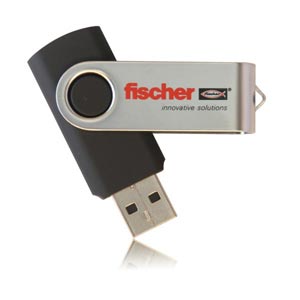
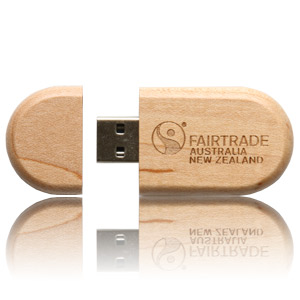
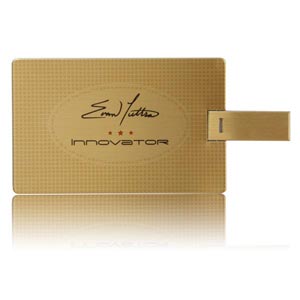

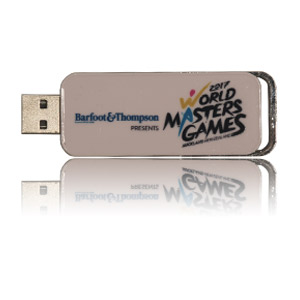

THE FULL CUSTOM USB
We have over 100 stock cases in our range but that’s not all. Explore a world of infinite design possibility,
create your own truly unique Flash Drive with our Custom PVC Molding technology.


Each example above started out as a simple idea.
“Turn our product, our brand, our vision into a fully functioning USB Flash Drive.”
Behind the scenes this process isn’t simple but we make it a breeze for our customers.
First we need something to base the design on.
This could be a photo, a logo, a block of text, a toy, pretty much anything.
From there one of our experienced design team will use digital imaging software
to create a fully finished 3D model of your unique memory stick.
If we get it right first time then great but if we need to revise the design 50 times
we will revise the design 50 times – we will make sure your new case
is exactly as you want it.
” Let us take your design to the next level,
stand out from your competition and
leave a truly lasting impression
it all starts right here
OUR PROMISE
Who We Are
From humble beginnings Project USB has become an Australian industry leader in all things USB Flash Drive. Through a commitment to quality, low pricing and great customer service our clients have seen their brands flourish.
Our process is simple. You send us your logo or artwork, we prepare a digital mock up showing your logo superimposed on to your preferred Memory Stick, you approve the design and we get to work on production.
From Sydney to Melbourne, Brisbane to Perth and everywhere in between. Whether this is your first time looking into personalised Memory Sticks or you’re one of our long term partners you can be sure that we’ll support you every step of the way.
The Product
Let Project USB take you into a world you probably never knew existed.
We find people tend to be blown away by just how much variety
there is when it comes to Custom Branded Memory Drives.
Tell us, what do you think of when someone mentions the humble flash drive.
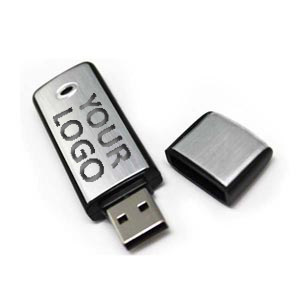
Is it one of those where the connector slides in and out of the case, a square one with a cap
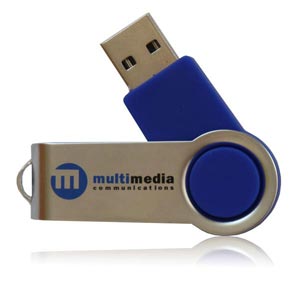
or one with a clip that swivels round revealing the USB connector.
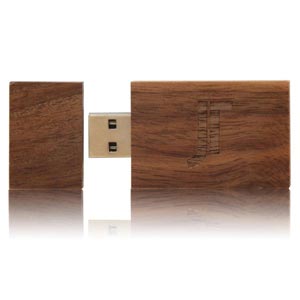
Well of course, we have those but we also have Wooden Memory Sticks,
USB Business Cards, Branded Flash Drive Wristbands and
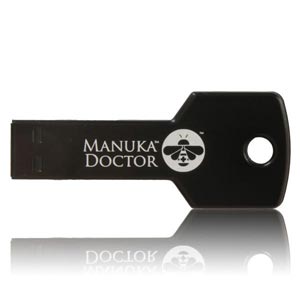
you can even design your own unique USB case.
Not only is there a huge array of styles and materials to choose from for promotional purposes,
USBs offer a unique Security and Protection of data at the lowest possible price.
We offer complimentary design set up as standard, simply provide your logo
or design & let us know which model or models you’re interested in.
A member of our design team will get to work on your free digital proof
this will show your logo superimposed on to the USB Flash Drive.
Our Services
Stay at the forefront of business marketing.
Use Custom Branded Flash Drives to set yourself apart from the competition.
Printing
Laser Engraving
Embossing
Free file loading
Lockable content
Drive Icon
Australia wide
Courier to your door
On time
Have you considered ordering Custom USBs for your business.
Whether it’s for a new business, an established business or even a sole trader it’s key to market your company and make sure people know who you are. Personalised promotional items work not only for clients and customers but also staff who can offer another fantastic avenue to advertise and market your company. What better way to do this, than by ordering Custom USBs.
What are the benefits of ordering Custom USBs?
-
Marketing:
Having branded stationary and hardware for your company gives you advertising that lasts, advertising people will quite literally carry with them, show friends and directly influence others. That’s the beauty of functional promotional items, through providing a genuinely useful product you not only make the direct receiver happy and more likely to use or buy your product – they will also promote your brand to others. This leads us nicely to.
-
Brand Awareness:
Fun Fact – According to a PPAI study the majority of people wear/use the promotional material they receive and will keep it for between one to four years. When you go into business, it’s crucial to create a brand that people want to associate themselves with. When a new employee starts and you hand them their welcome pack, branded items make them feel part of the team, help boost and further legitmise your brand. Not only that but we have clients who use Custom USBs to provide work training material, course information and key performance data.
-
Customer Loyalty & Client Retention